
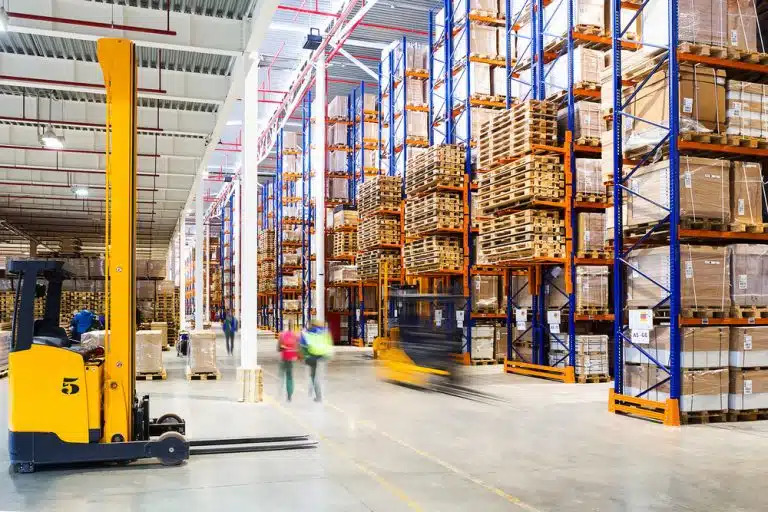
As the logistics industry continues to grow after COVID-19, 3pl warehouses are facing more pressure than ever. Customers now expect faster delivery, better accuracy, and real-time updates as a normal service that they regularly receive at https://www.fulex.com. At the same time, costs like labor, energy, and technology are increasing. Because of this, 3PL companies need to work smarter, not just harder. To stay competitive, it is important to improve operations, strengthen customer service, and use better systems that support fast and accurate work.
1. Keep a Clean, Safe, and Well-Organized Warehouse
Clean spaces build trust and confidence
A clean warehouse is one of the first things clients notice when they visit. It shows that the company is organized and careful with their products. Dirty, cluttered, or disorganized spaces can create a bad impression and even make customers doubt the quality of service. Simple habits like daily cleaning, removing trash, and checking work areas can prevent bigger problems later.
Warehouse teams should also do regular walk-through checks. This helps identify issues like broken pallets, unsafe stacking, or blocked aisles. Fixing small problems early helps avoid accidents, product damage, and delays.
Better lighting and safer work areas
Good lighting makes a big difference in warehouse work. When areas are bright, workers can pick and store items faster and with fewer mistakes. It also improves safety by reducing accidents in dark or hard-to-see areas.
Using energy-efficient lights can also help reduce electricity costs over time. Painting walls in light colors is another simple way to make the space brighter without spending too much. A clean and bright warehouse also improves worker mood and productivity, which leads to better performance overall.
Clear labeling and strong location systems
Every storage area in the warehouse should have clear and easy-to-read labels. This helps workers find products faster and reduces confusion. A strong location system also makes inventory tracking more accurate.
Avoid using general or unclear location names. Instead, divide storage areas into smaller sections with unique labels. When everything is clearly marked, workers spend less time searching and more time completing tasks. This also improves accuracy in the warehouse system and reduces lost or misplaced items.
2. Build Strong Customer Relationships and Communication
Regular communication builds long-term trust
Strong relationships are a key part of success in the 3PL industry. Even if pricing is competitive, customers are more likely to stay with a provider they trust and communicate with often. Simple actions like phone calls, emails, and updates can make a big difference in how customers feel about your service.
It is also important to follow up after conversations. Sending short email summaries helps avoid confusion and keeps everything clear. This shows professionalism and helps build stronger long-term partnerships.
Business reviews and feedback help improve service
Regular business reviews with clients help both sides stay aligned. These meetings allow you to understand what customers need and what problems they are facing. It also gives you a chance to explain improvements and show progress.
Feedback is very important because it helps identify weak areas in your service. When issues are found early, they can be fixed before they affect customer satisfaction. This helps reduce customer loss and improves overall service quality.
Make customers feel like part of your team
Customers should feel like they are working with you, not just buying a service. Encouraging open communication and quick responses helps build this feeling. When customers trust your team, they are more likely to stay loyal even when costs increase.
3. Use Technology and Work in Real Time for Faster Operations
Use WMS and digital systems to reduce manual work
Modern warehouse operations depend heavily on technology. A Warehouse Management System (WMS) helps track inventory, orders, and movement in real time. This reduces mistakes caused by manual tracking and improves overall accuracy.
Using electronic systems like EDI (Electronic Data Interchange) or API connections allows orders and updates to flow automatically between the warehouse and customers. This reduces the need for manual data entry and speeds up the entire process.
Instead of using paper documents, everything should be stored digitally inside the system. This makes it easier to find information, track shipments, and share updates with customers instantly.
Improve receiving, inventory, and order processing speed
Fast receiving is very important because it makes products available for sale or shipment sooner. When goods arrive, they should be scanned and recorded immediately in the system. This ensures inventory is accurate from the start.
Inventory should also be updated every time items are moved or adjusted inside the warehouse. This helps avoid mistakes and keeps stock levels correct at all times. Cycle counting can also be used to regularly check accuracy without stopping operations.
For order processing, methods like batch picking, pick-to-bin, and organized picking routes can save time and reduce errors. Orders should be packed and labeled using system-generated information to ensure accuracy and faster shipping.
Closing orders close to ship time also helps keep inventory data up to date. This ensures customers always see correct stock levels and receive tracking information as soon as possible.
Final Thoughts
To stand out in today’s competitive market, 3PL warehouses must focus on three key areas: maintaining a clean and organized facility, building strong customer relationships, and using technology to improve speed and accuracy. When these three areas work together, operations become smoother, costs are better controlled, and customers receive faster and more reliable service.