The pitch for a tape dispenser automatic system is simple: press a button, get tape, seal faster. That is accurate as far as it goes, but it skips the part that matters to anyone signing off on the purchase — whether the automation earns back its cost in a specific station, with a specific tape, at a specific daily volume.
This article works through that question using practical experience with water-activated paper tape systems, including where automation delivers measurable gains and where it becomes an expensive fixture that operators bypass.
The first thing to understand: automation here is not just a button
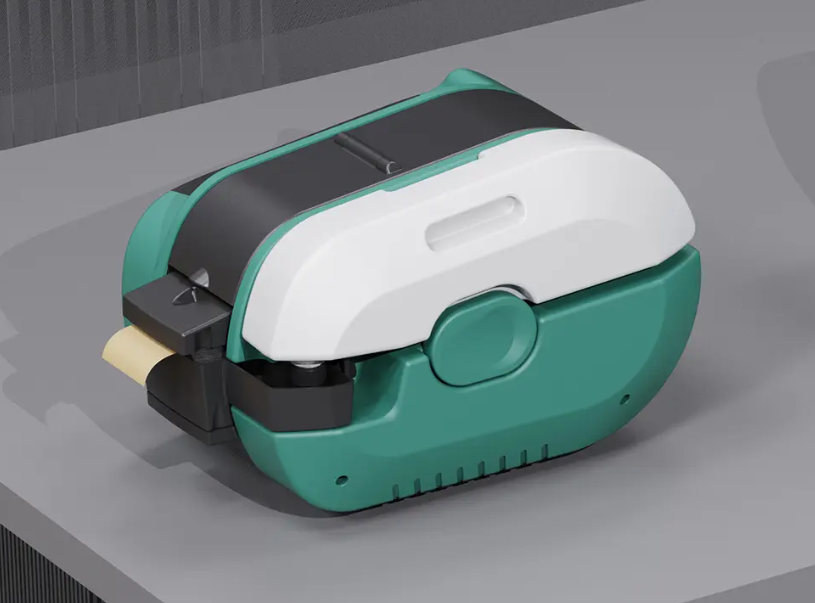
On a water-activated tape dispenser automatic system, the machine performs several linked steps: it feeds gummed kraft paper tape, wets the starch-based adhesive, cuts a preset length, and presents the strip for application. Older designs use a button press to trigger the cycle; sensor-equipped units dispense when a hand or carton passes the sensor.
That sequence matters because the adhesive must be activated by water to bond into the fibers of corrugated board. Once cured, the seal cannot be opened and reclosed without visible damage to the carton — a genuine security property rather than a claim. It also means the automation’s real job is consistency: consistent wetting, consistent cut length, consistent output through a full shift. A fast machine that wets unevenly produces seal failures, and the speed counts for nothing.
Where automation genuinely pays
Two numbers determine whether a tape dispenser automatic system makes sense, and buyers usually check only one.
The first is daily carton volume. Broadly, operations sealing under roughly 100 cartons daily rarely recover the cost; a manual lever dispenser such as the NT-800 handles that pace without power or installation. Once a team is consistently sealing several hundred cartons a day, preset lengths and a heated tank start removing real time from every box.
The second number is peak-hour throughput, and it is the one that gets overlooked. A station that runs at a comfortable pace most of the week but hits a hard ceiling during dispatch windows benefits from automation even at modest weekly volume — because the constraint is the peak, not the average. Buying strictly on average volume can leave a team under-equipped exactly when it matters.
The savings that do not appear on the quote
Tape waste is one of the least-tracked costs on a packing line, which is why it is rarely managed. Operators using hand-held tape guns tend to over-pull for security. A dispenser with adjustable cut lengths — commonly spanning roughly 15 cm to 210 cm — standardizes usage per carton size. On a line sealing several hundred cartons daily, trimming even a modest excess from each strip compounds into a measurable annual reduction.
Units fitted with a tape length detector go further by measuring a carton and calculating the optimal strip, which suits operations with varied box sizes rather than uniform order profiles. For uniform cartons, preset length buttons cover the need at lower cost — a distinction worth making before paying for capability the workflow will not use.
Sensor operation: useful, but not universal
Sensor-triggered dispensing reduces contact with shared surfaces and keeps high-throughput lines moving without a button press between cartons. Dispensing speeds around 60 m/min are achievable on some units, though real output depends on tape width, carton size, and how the station is arranged. A machine at the wrong height or angle will underperform its rated speed regardless of specification. Noise also matters for a machine running continuously: units operating below 70 dB are easier to place on a shared packing floor without disrupting the workspace.
Maintenance is where automation concentrates effort
Automation does not eliminate maintenance; it consolidates it into fewer, more critical points. The moistening brush is the decisive component. Dried starch on the brush hardens, wetting becomes uneven, and adhesion drops — typically appearing as tape lifting at carton corners the next morning, when the shipment may already have left.
An end-of-shift routine prevents nearly all of it: drain and rinse the water tank, wipe the brush, and check the blade weekly. Heated tanks with roughly 1-liter capacity support steady activation through a shift, and filtered water reduces mineral buildup where supply is hard. Confirm blades are easy to replace and spares are stocked; a machine idled for a week over a backordered blade costs more than the blade.
What to confirm with a supplier
Beyond model numbers, useful questions include: what roll widths and diameters does this model support, and can I run a full roll of my own tape through it? Wetting problems frequently appear partway through a roll, not at the start. What are the warranty and spare-parts terms? For distributors, what OEM/ODM options exist — logo printing, body color, function adjustments — and what minimum quantities apply? Airpowerpak (YJNPACK) supports dispensers and compatible water-activated kraft tape from one source alongside these customization services, which simplifies matching equipment to tape and coordinating replenishment.
Where the system earns its place
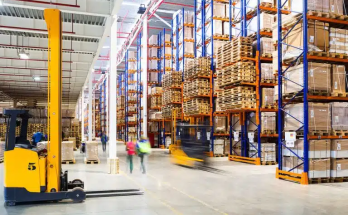
A tape dispenser automatic setup fits best in e-commerce fulfillment, third-party logistics warehouses with multiple packing stations, export packing where tamper evidence is specified, and cold-chain operations where plastic tape can lose adhesion at low temperatures. For operations sealing a handful of boxes weekly, a handheld dispenser is sufficient and automation is overcapitalization.
The most dependable way to decide remains a trial on your own carton mix: run a machine through a normal shift and watch where operators hesitate, where tape is reapplied, and what the cartons look like the next morning. Those observations answer the cost question more honestly than any comparison table.
What You Need to Know
- Automation in water-activated tape dispensers involves multiple linked steps, including feeding tape, wetting adhesive, cutting, and presenting the strip for application.
- Operations sealing fewer than 100 cartons daily usually do not recover the cost of an automatic tape dispenser, while those sealing several hundred cartons can benefit from automation.
- Tape waste from manual dispensers is often untracked but can be significantly reduced with dispensers that offer adjustable cut lengths and tape length detection.
- Sensor-triggered dispensers can enhance efficiency by minimizing contact and keeping production lines moving without manual button presses, though performance can vary based on machine setup.
- Regular maintenance of tape dispensers focuses on critical components like the moistening brush, as neglect can lead to uneven wetting and decreased adhesion.
- E-commerce fulfillment, third-party logistics, and operations requiring tamper-evident seals are ideal applications for automatic tape dispensers, while minimal sealing needs may be better served by handheld dispensers.